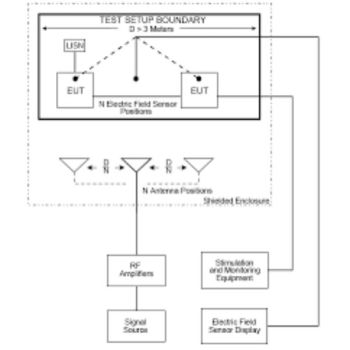
MIL-STD-461 RS103
OTHER PRODUCTS IN THE SAME STANDARD:
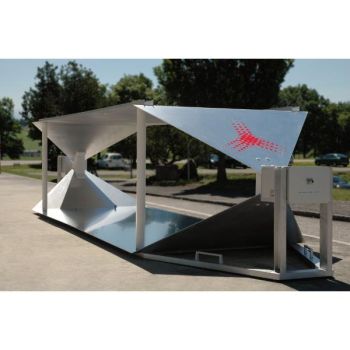
- Shorter version of the PPL200-70-S
- 270 x 100 x 76 cm (L x W x H)
- For an immunity test on small and medium-sized devices
- For immunity tests on automotive devices according to the European directive 2004/104/EC
- Requency Range: 10kHz to 30MHz
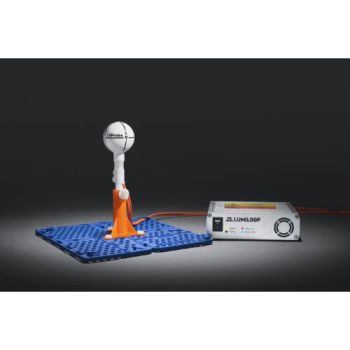
The LSProbe 2.0 Variant A Field Probe is a high-speed, high-accuracy, and high-dynamic range electric-field probe.
- Its standard frequency range of 9 kHz – 18 GHz. 1,000 V/m
- Best-in-class compensation of linearity, frequency, and temperature guarantees accurate measurements from less than 1 to at least 1,000 V/m.
- A dynamic range of 100 dB is achieved for many frequencies, enabling Field measurements at more than 10,000 V/m.
The LSProbe 2.0 Variant B Field Probe is a high-speed, high-accuracy, and high-dynamic range electric-field probe.
- Its standard frequency range is 9 kHz – 26.5 GHz. (Variant B) 1,000 V/m
- Best-in-class compensation of linearity, frequency, and temperature guarantees accurate measurements from less than 1 to at least 1,000 V/m.
- A dynamic range of 100 dB is achieved for many frequencies, enabling Field measurements at more than 10,000 V/m.
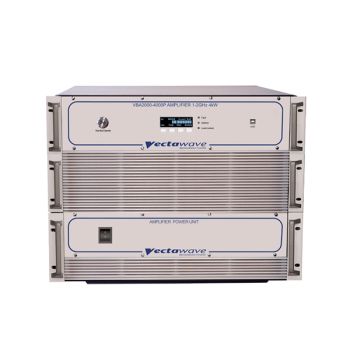
- Class-A architecture
- High reliability proven GaAs design
- Wideband 1 GHz – 2 GHz
- Unconditional stability & extreme VSWR tolerance
- RTCA DO-160 Section 20 testing
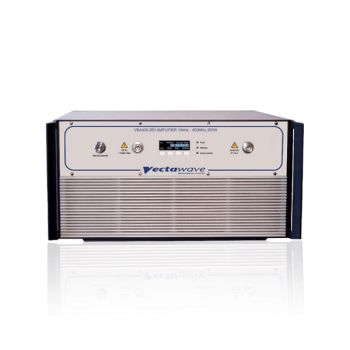
- Class-A architecture
- Push-pull MOSFET output
- Wideband 10 kHz–400 MHz
- Unconditional stability & extreme VSWR tolerance
- Integrated digital interfaces (select models)
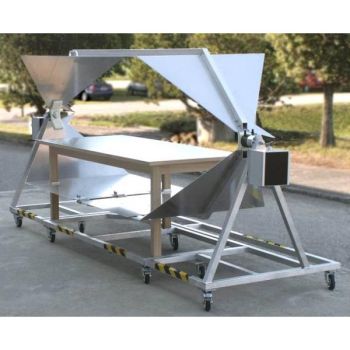
- Plates Rotate Horizontal and Vertical
- For immunity test on small and medium-sized devices
- For immunity tests on automotive devices according to the European directive 2004/104/EC
- Requency Range: 10kHz to 30MHz