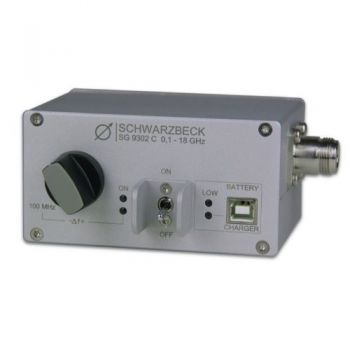
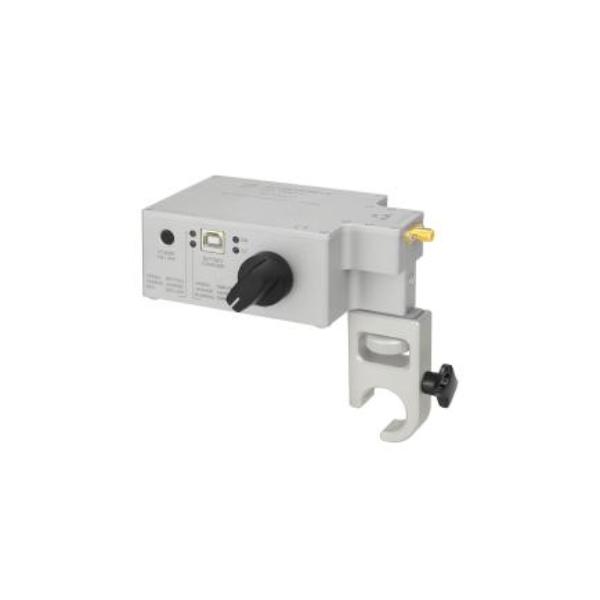
SG 9302 D, 0.1 - 18 GHz Comb Generator
- Spectrum Generator
- 100 MHz - 18 GHz
- spectrum lines 100 MHz (minor adjustment allowed to match up to receiver)
- SMA-female connector
- charger Via USB
- main application: reference radiator requires antenna

Data Sheet
SPECIFICATIONS
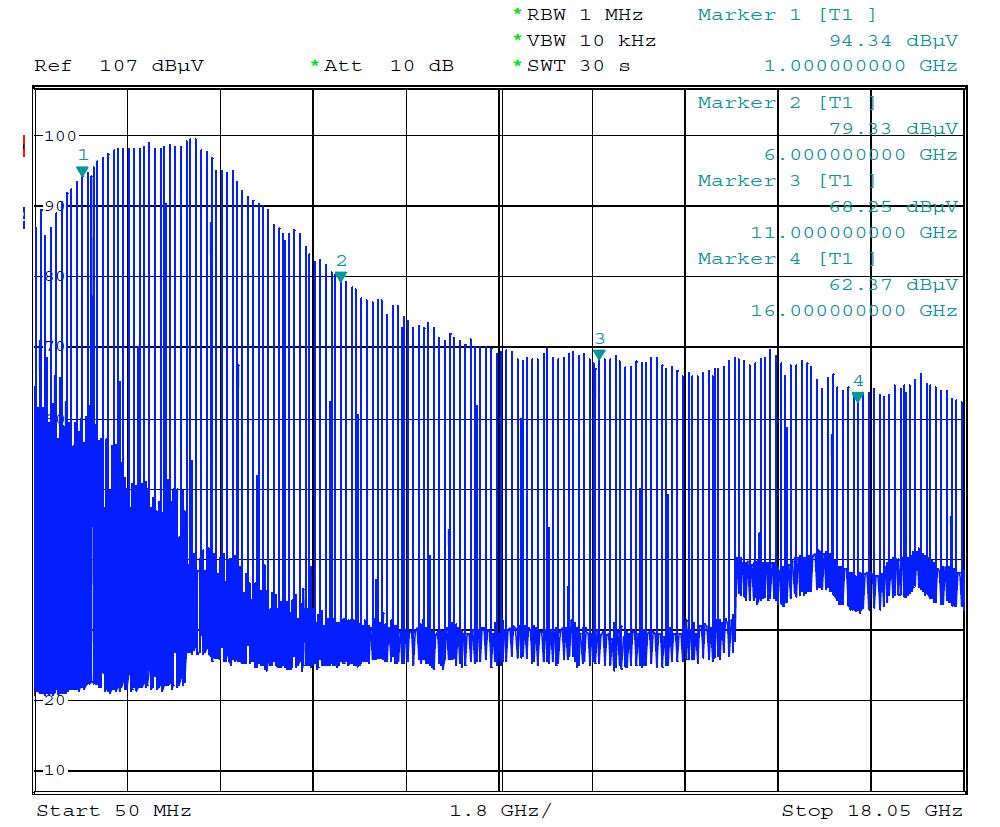
SG 9302 D, 0.1-18 GHz Comb GeneratorThe comb-generator SG 9302 D produces a frequency spectrum consisting of lines with 100 MHz spacing up to 18 GHz. In combination with an antenna it can be used as an emission source for testing open area test sites, anechoic chambers or GTEM-cells. Single components like measuring receivers, spectrum analysers, cables and attenuators can be tested as well.
The operation is very simple and time saving because the spectrum lines are always present without any tuning procedure. The built in rechargeable battery makes it a versatile, simple and cost effective substitute for signal generators, which are still very expensive and therefore rare in the frequency range above 3.6 GHz.
The output level is relatively high for a comb-generator and the lines go well beyond 18 GHz. A VCTCXO is used as frequency standard. This abbreviation stands for “Voltage Controlled Temperature Compensated Crystal Oscillator”.
The very good frequency stability of a crystal is made even better by a compensation circuit. Furthermore, the nominal frequency can be tuned in a narrow range using a tuning voltage. This makes it possible to compensate small frequency differences between the comb-generator and a receiver. In open area test sites collisions with environmental signals can be avoided by tuning the frequency slightly.
|
OTHER PRODUCTS IN THE SAME CATEGORY:
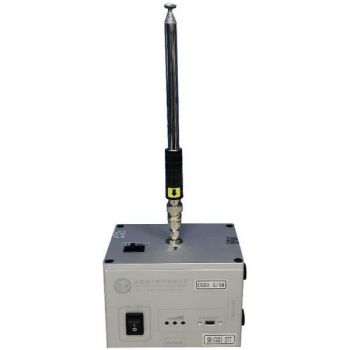
CG01-10, 10 MHz - 1 GHz, 10 MHz Steps, Comb Generator
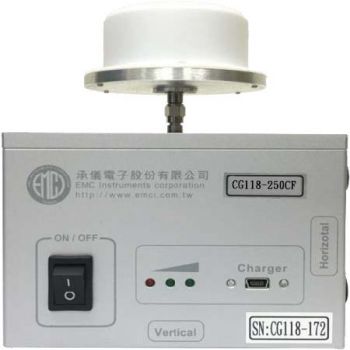
CG118-250CF, 1 GHz - 18 GHz, 250 MHz Steps, Comb Generator
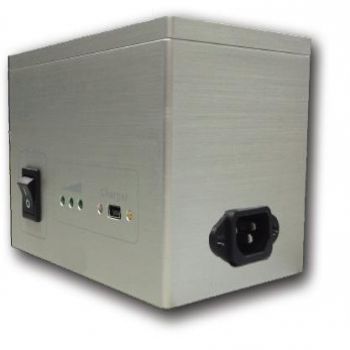
CG100/500, 100 kHz - 400 MHz, 100 and 500 kHz Steps, Conducted Comb Generator
CG50/500R, 50kHz - 30MHz, 500kHz Step, Comb Generator
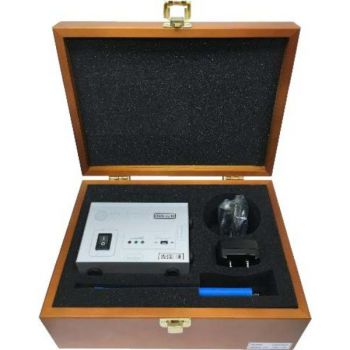
CG08-100R, 100 MHz - 7.5 GHz, 100MHz Step, Comb Generator
CG08-10/100R, 10 MHz - 8 GHz, 10 & 100MHz Step, Comb Generator
CG118-100CF, 100 MHz - 18 GHz, 100 MHz Steps, Comb Generator
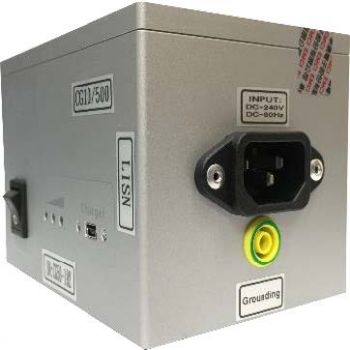
CG10/500, 10 kHz - 30 MHz, 10 and 500 kHz Steps, Conducted Comb Generator
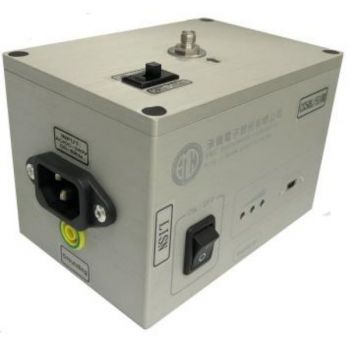
CG50L/510R, 50 kHz - 1 GHz, 50/500kHz & 5/10MHz Steps, Conducted & Radiated Comb Generator
CG01-5, 5 MHz - 1 GHz, 5 MHz Steps, Comb Generator
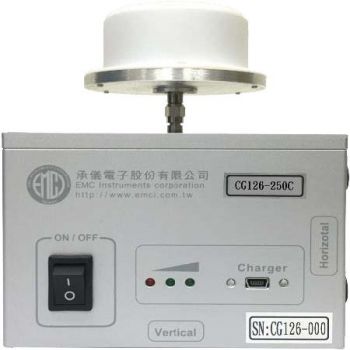
CG126-250C, 250 MHz - 26.5 (40) GHz, 250 MHz Steps, Comb Generator
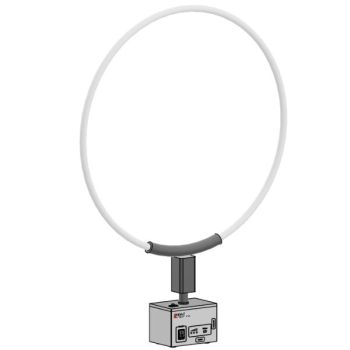
CG50/500ML & MLA, 50 kHz - 30 MHz, 50 and 500 kHz Steps, Conducted Comb Generator
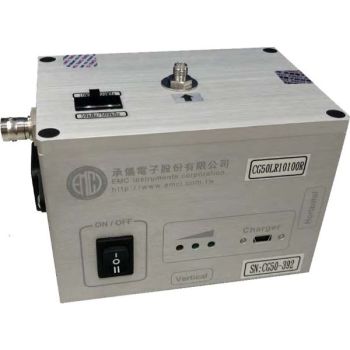
CG50LR10100R, 50kHz/500kHz - 108MHz for LISN & 10MHz ~6GHz for RE, Comb Generator
CG50/500LLA, 50 kHz - 30 MHz, 50 and 500 kHz Steps, Conducted Comb Generator
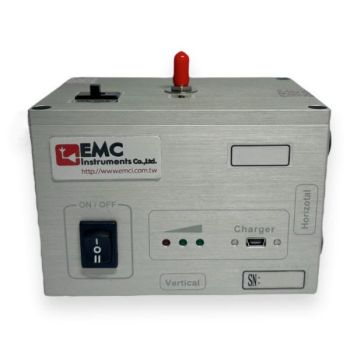
CG10L10100R, 10 kHz - 100MHz, 10/500kHz 10MHz/100MHz Steps, Conducted & Radiated Comb Generator
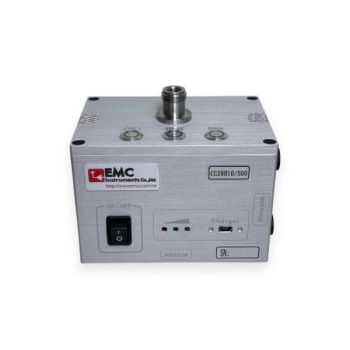
CG20H10/500 Conducted Comb Generator, 20Hz/30MHz, 20Hz/500kHz Steps
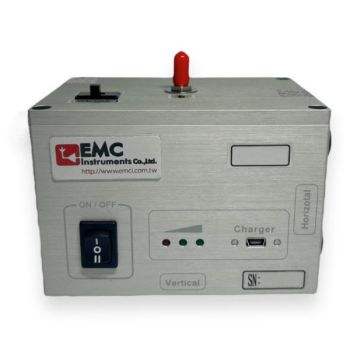
CG100L10100R, 100 kHz - 7.5GHz, 100/500kHz & 10MHz/100MHz Steps, Conducted & Radiated Comb Generator
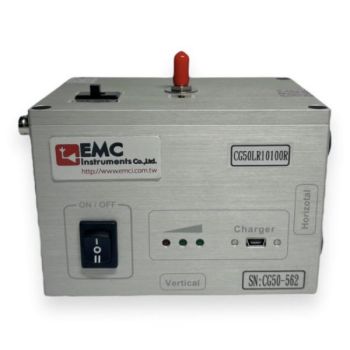
CG50LR10100R, 50 kHz - 6GHz, 50/500kHz 10MHz/100MHz Steps, Conducted & Radiated Comb Generator (Dup
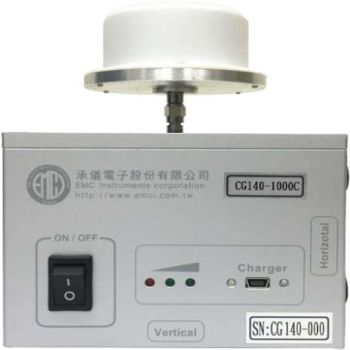
CG140-1000C, 1 GHz - 40 GHz, 1 GHz Steps, Comb Generator